
Every day strain has a habit of sneaking into the body in subtle, persistent ways. Whether it shows up as tight shoulders after a long day at your desk, a headache that syncs perfectly with your workload, or a back that stiffens the moment stress ramps up, these patterns are incredibly common.
Many people begin exploring acupuncture when they reach a point where simple stretches or over-the-counter remedies aren’t cutting it anymore. At Physio Connect, we use traditional acupuncture as part of a clinical, evidence-informed approach that supports both physical health and everyday wellbeing.
Here’s how acupuncture can make a meaningful difference when stress and pain start to interfere with daily life.
Understanding Traditional Chinese Acupuncture
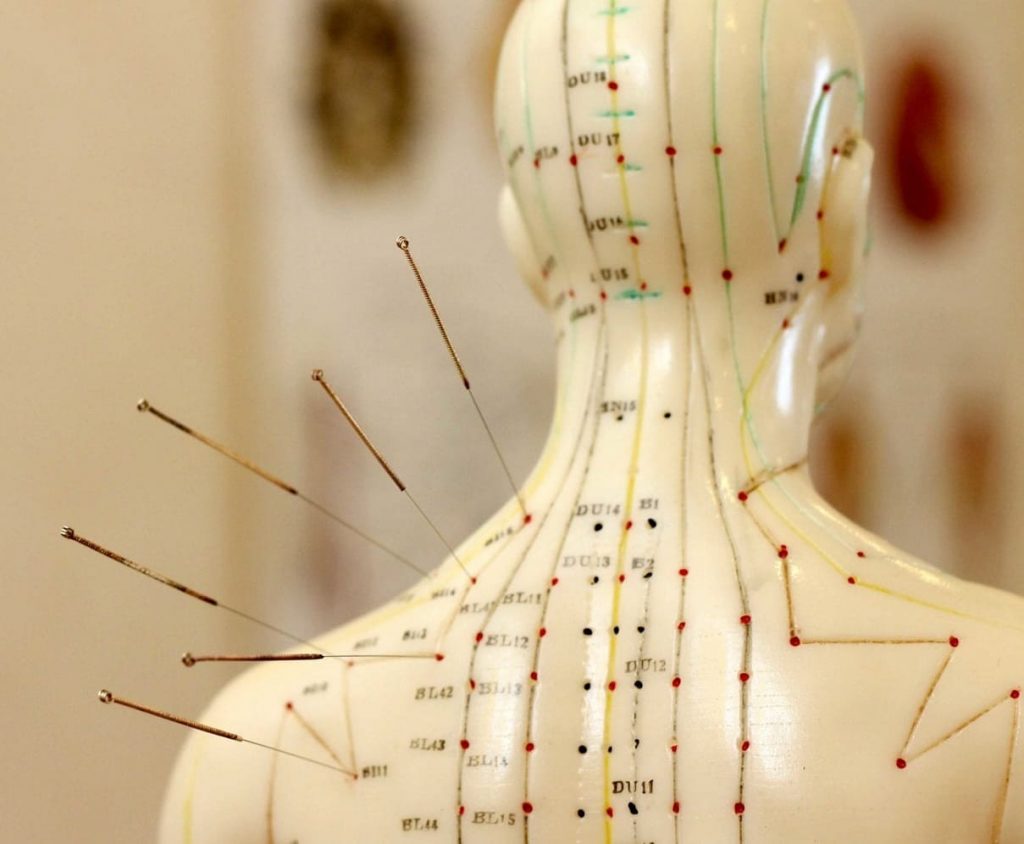
Acupuncture can sometimes sound mysterious, mostly because it is often described in ways that feel vague or overly poetic. In reality, traditional acupuncture is grounded, structured, and highly methodical. It is a long-standing part of traditional Chinese medicine and acupuncture practice, using extremely fine, single-use needles to stimulate specific points throughout the body. These points influence circulation, muscle activity, and the nervous system, helping ease tension that has been building for days, months, or occasionally years.
One of the most common reactions clients share after their first session is surprise at how gentle the process feels. The needles are subtle, the environment is calm, and the body often responds with a noticeable shift in ease or clarity. At Physio Connect, we combine traditional Chinese acupuncture methods with physiotherapy assessment so every session has a clear clinical purpose. This ensures treatment supports your physical goals rather than feeling disconnected from your everyday life.
Why Traditional Acupuncture Works So Well for Stress Relief
Stress affects the body through very real physiological pathways. When the brain perceives ongoing pressure, it increases activity in the sympathetic nervous system, which raises muscle tension, disrupts sleep, and heightens sensitivity to pain. This is why stress often presents as jaw tightness, shoulder stiffness, headaches, or the inability to fully unwind at the end of the day. Acupuncture helps interrupt this pattern by influencing the way the nervous system regulates stress responses. Research shows that targeted needle placement can stimulate the release of endorphins, modulate pain-processing pathways, and reduce sympathetic overactivity, allowing the body to shift into a calmer, more regulated state.
As the nervous system settles, muscles that have been holding tension for hours or days begin to release. This often leads to improvements in sleep quality, reduced frequency of tension headaches, and less generalised discomfort throughout the day. Unlike quick relaxation techniques that offer brief relief, acupuncture triggers physiological changes that persist beyond the session because it influences the underlying systems driving stress-related symptoms.
How Acupuncture Helps with Common Pain
Here’s how acupuncture supports some of the most common pain patterns we see at Physio Connect:
- Headaches and tension headaches: Acupuncture can ease tight neck, shoulder, and scalp muscles, reducing the pressure that often triggers headaches. It also helps regulate the nervous system, which lowers the likelihood of flare-ups.
- Lower back stiffness: By targeting deep stabilising muscles, acupuncture can release tension that stretching alone doesn’t reach. Improved circulation supports recovery and reduces that familiar “locked” sensation.
- Neck and shoulder tightness: Desk-heavy work is a major contributor to upper-body strain. Acupuncture helps relax overworked muscles, making movement feel smoother and reducing ongoing tightness.
- Knee and joint discomfort: When joints feel stiff or irritated, acupuncture supports mobility by easing surrounding muscle tension and improving local blood flow.
- General muscular aches from stress or activity: Acupuncture helps reduce lingering tightness or fatigue that builds up after demanding weeks or repeated physical strain, allowing the body to reset more effectively.
What You Can Expect from Acupuncture at Physio Connect
If you’ve never tried acupuncture before, it’s completely normal to wonder what the process actually involves. At Physio Connect, we keep things straightforward and clinically focused so you know exactly what to expect from the moment you walk through the door. Every session begins with a detailed assessment where we look at your symptoms, your movement patterns, and the underlying factors contributing to your stress or pain.
Although traditional acupuncture needles are one option, they’re far from the only tool we use. We know not everyone feels comfortable with needle-based methods, so we offer several alternatives that deliver similar benefits through different techniques.
- Cupping therapy: This uses glass, plastic, or silicone cups to create gentle suction on the skin. It’s commonly used to improve local circulation, support tissue recovery, and ease muscular tightness in problem areas.
- Vibration therapy: By applying controlled vibration to specific areas, we can encourage muscle relaxation and improve mobility.
- Electro-acupuncture: This involves connecting fine acupuncture needles to a mild electrical current. The stimulation enhances the effects of traditional acupuncture by influencing the way nerves and muscles communicate.
- Trigger point therapy: This technique targets very specific points within tense or overworked muscles.
If you’re interested in how acupuncture or our alternative techniques could support your wellbeing, get in touch with the Physio Connect team, and we’ll help you find the approach that fits you best.
Acupuncture FAQs
Do I need an acupuncture doctor?
Not necessarily. At Physio Connect, acupuncture is delivered by physiotherapists trained in traditional acupuncture techniques, so you receive safe, evidence-informed care without needing a separate acupuncture doctor.
How many acupuncture sessions will I need?
It varies. Some clients feel improvements quickly, while others benefit from several sessions. Your physiotherapist will outline a plan based on your goals, symptoms, and response to treatment.
Can I get acupuncture if I’m scared of needles?
You’re not alone. If needle-based methods don’t feel right, we offer options like cupping, vibration therapy, and electro-acupuncture, so you can still benefit from targeted stimulation without relying solely on needles
Will acupuncture work alongside my current physio treatment?
Absolutely. Acupuncture integrates well with strengthening, mobility work, and manual therapy. Your physiotherapist will combine them as needed to create a treatment plan that supports long-term improvement.